
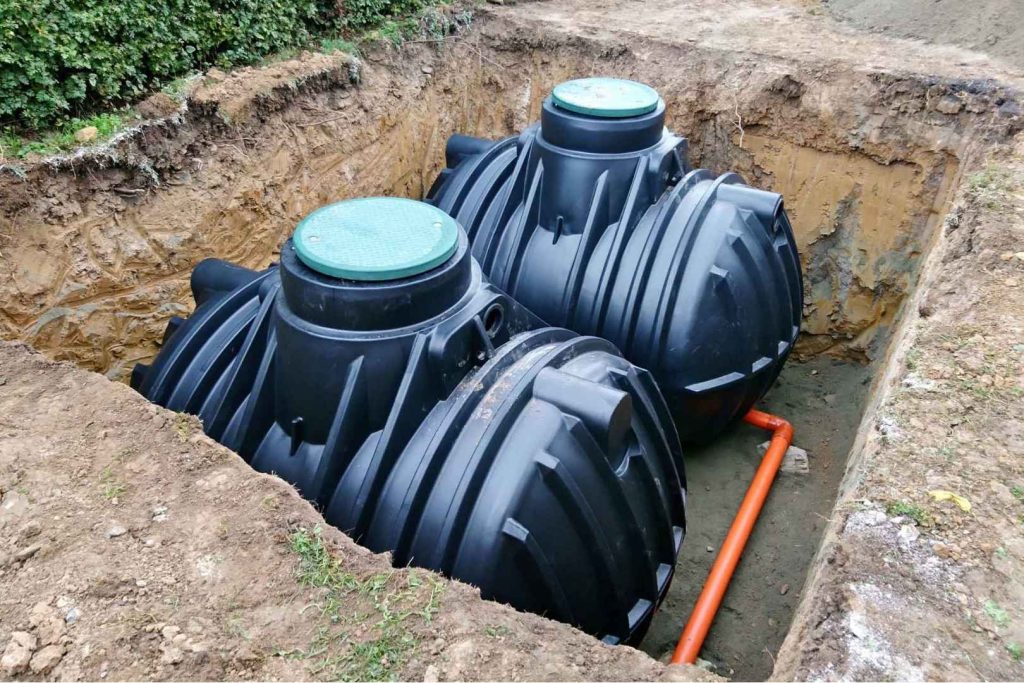
Inspect and Maintain Your Septic System in Galloway, OH
Avoid costly repairs with regular care
Recognize the Warning Signs Before Problems Escalate
Most septic failures give clear warnings weeks or months before total collapse. The challenge is knowing what to watch for and acting promptly when you spot these indicators. In Galloway and surrounding areas, where many homes rely on private septic systems, understanding these signs prevents emergency repairs during inconvenient times.
Start by monitoring your drains. Slow drainage in multiple fixtures, especially when accompanied by gurgling sounds from toilets or sinks, often signals blockages forming in your system. If you notice water pooling near your drain field after normal household use, not just after heavy rain, the soil may no longer be absorbing effluent properly. This saturation often worsens during Ohio’s wet spring months when groundwater levels rise.
Odors provide another critical warning. A persistent sewage smell near your tank, drain field, or even inside your home indicates gases escaping from your system. This typically means either your tank requires pumping or ventilation issues have developed. Many Galloway homeowners notice these odors intensify during summer heat when bacterial activity increases.
Pay attention to your lawn’s appearance around the drain field. Patches of unusually lush, dark green grass over your drain field suggest effluent is surfacing rather than filtering through soil layers. Conversely, if your yard shows standing water or soggy ground in the drain field area during dry weather, your system is likely saturated and failing to process waste properly.
Inside your home, listen for toilets that bubble or drain slowly when other fixtures are in use. This cross-fixture reaction indicates ventilation problems or partial blockages affecting your entire plumbing system. If you hear these sounds regularly, schedule a professional septic inspection before the situation worsens. Early detection through routine septic tank service saves thousands in emergency repairs and protects your property value.
Schedule Professional Inspections on a Fixed Calendar
Regular professional evaluation forms the foundation of effective septic system maintenance. Rather than waiting for problems to announce themselves, establish a predictable inspection schedule based on your household size, system age, and usage patterns. Most residential systems in central Ohio benefit from inspection every three years at minimum, though annual checks prove wiser for older installations or homes with garbage disposals.
During a thorough septic inspection, trained technicians measure sludge and scum layers inside your tank to determine whether pumping is necessary. They also examine baffles, tees, and filters for damage or deterioration. These components prevent solids from entering your drain field, and their failure causes expensive system-wide problems. Inspectors check for cracks in the tank walls, test the distribution box for proper flow, and evaluate drain field performance through soil probes and visual assessment.
The inspection process includes verifying that your tank’s access risers are properly sealed and that vegetation around the system poses no root intrusion risk. In Galloway’s clay-heavy soils, root penetration from mature trees planted too close to drain fields creates persistent maintenance challenges. Professional inspectors identify these risks before roots compromise your lateral lines.
Documentation matters significantly. Request written inspection reports detailing sludge levels, component conditions, and recommended maintenance timelines. These records prove invaluable when planning budgets for future septic tank pumping or when selling your property. Buyers increasingly request septic system documentation during real estate transactions, and current inspection reports demonstrate responsible ownership.
Establishing a relationship with a qualified septic tank service provider ensures continuity of care. Technicians familiar with your system’s history spot subtle changes that might escape notice during a first-time inspection. They also maintain service records and can alert you when pumping schedules approach, eliminating the guesswork from septic system maintenance planning.
Understand and Follow Your System’s Pumping Requirements
Septic tank pumping represents the single most important maintenance task for extending system lifespan and preventing failures. As household wastewater enters your tank, solid materials settle to the bottom while lighter materials float to form a scum layer. Between these layers, clarified liquid flows into your drain field. When solids accumulate beyond safe levels, they begin entering the drain field and clogging soil pores, leading to system failure that often requires complete replacement.
Pumping frequency depends on four factors: tank size, household occupancy, wastewater volume, and the amount of solids in your wastewater. A typical 1,000-gallon tank serving a family of four requires pumping every two to three years under normal conditions. However, homes with garbage disposals, water softeners discharging into the septic system, or more occupants need more frequent service. Smaller tanks naturally fill faster and require annual pumping.
The pumping process involves more than simply removing liquids and solids from your tank. Professional technicians inspect the tank interior while it’s exposed, checking for structural damage, corroded baffles, and failing inlet or outlet tees. They also evaluate whether your system is receiving inappropriate materials like grease, chemicals, or non-biodegradable items that accelerate wear and reduce treatment efficiency.
Timing your pumping service strategically helps avoid complications. In central Ohio, scheduling septic cleaning during late fall or early spring avoids the ground freezing that can complicate access during winter months and prevents delays during summer when service providers experience peak demand. Planning ahead ensures you secure convenient appointment times rather than facing emergency service needs when your tank reaches capacity unexpectedly.
Never attempt to extend pumping intervals beyond recommended schedules to save money. The short-term savings disappear quickly when neglect forces drain field replacement costing $10,000 to $20,000 or more. Regular septic tank pumping protects this significant investment and maintains your system’s treatment capacity at optimal levels, ensuring reliable performance for decades.
Protect Your Drain Field Through Conscious Property Management
Your drain field performs the critical final treatment stage, filtering effluent through soil before it returns to groundwater. Despite its importance, drain fields receive little attention until failure forces expensive replacement. Proper management preserves this component and extends your entire system’s functional lifespan significantly.
Begin by controlling what happens on the surface above your drain field. Never park vehicles, heavy equipment, or temporary storage structures over drain field areas. Soil compaction from weight crushes the porous structure that allows effluent absorption and air circulation. Even riding mowers can cause damage during wet conditions when soil compacts more easily. In properties around Galloway where homeowners often park recreational vehicles or boats near their homes, accidental drain field compaction creates persistent drainage problems.
Vegetation management requires careful attention. Maintain grass cover over your drain field to prevent erosion, but avoid planting trees, shrubs, or deep-rooted plants within 30 feet of lateral lines. Tree roots seek water sources aggressively and will penetrate distribution pipes, creating blockages that require hydro excavation or complete line replacement. Shallow-rooted ground covers and turf grass provide ideal drain field protection without introducing root intrusion risks.
Water management extends drain field life substantially. Divert roof gutters, basement sump pumps, and surface water runoff away from your drain field area. Saturated soil cannot accept additional effluent from your septic system, causing backups and surface discharge. Install proper grading around your drain field to channel rainwater elsewhere, particularly important during Ohio’s spring storms when rainfall can exceed several inches over short periods.
Monitor your household water consumption patterns. Spreading laundry loads throughout the week rather than concentrating washing on a single day prevents overwhelming your drain field with excessive hydraulic loads. Install water-efficient fixtures and repair leaking toilets promptly. A running toilet can waste 200 gallons daily, forcing your drain field to handle unnecessary volume that accelerates soil saturation and reduces treatment effectiveness. These simple practices cost nothing yet deliver substantial protection for your system’s most vulnerable component.
Know When Professional Intervention Becomes Necessary
Despite diligent maintenance, situations arise that demand professional expertise beyond routine pumping and inspection. Recognizing these circumstances quickly prevents minor issues from escalating into catastrophic failures requiring emergency septic system installation or extensive drain field reconstruction.
Sewage backups into your home represent immediate emergencies requiring professional response. If wastewater surfaces through drains, toilets, or floor drains, stop all water use immediately and contact qualified technicians. These backups indicate either complete blockages, tank overfill, or drain field failure. Attempting DIY solutions with chemical drain cleaners or excessive water flushing typically worsens the situation by introducing harmful chemicals into your system and adding volume to an already overloaded tank.
Persistent slow draining across multiple fixtures, despite recent pumping, suggests problems beyond simple tank capacity. The issue may involve broken distribution boxes, crushed lateral lines, or biomat buildup in your drain field that restricts effluent absorption. Professional diagnostic tools including cameras, flow testing, and soil evaluation pinpoint the exact failure location, allowing targeted repairs rather than costly guesswork.
If your property experiences sudden settling or sinkholes near the septic tank, immediate professional evaluation is essential. These depressions often indicate tank collapse or soil erosion around compromised tank walls. Operating a damaged tank risks groundwater contamination and creates safety hazards for people and animals. In some situations, hydro excavation safely exposes the affected area for proper assessment without causing additional damage to surrounding components.
System age alone warrants professional consultation. Tanks and drain fields eventually reach the end of their service life regardless of maintenance quality. Steel tanks corrode and collapse after 20 to 30 years, while concrete tanks can crack from ground movement or root intrusion. Drain fields typically function 25 to 30 years before biomat accumulation reduces absorption capacity beyond recovery. Planning for eventual septic tank installation before catastrophic failure occurs allows orderly replacement on your schedule rather than during an emergency.
If you notice any warning signs discussed throughout this guide or simply want to verify your system’s current condition, scheduling a professional septic inspection provides clarity and planning information. Trained technicians assess your system thoroughly, explain any concerns in straightforward terms, and recommend appropriate maintenance schedules tailored to your specific property and usage patterns. Taking this proactive step protects your investment and ensures your septic system continues serving your household reliably for years to come.